Heart Attack With Normal Cholesterol? A New Study Explains Why
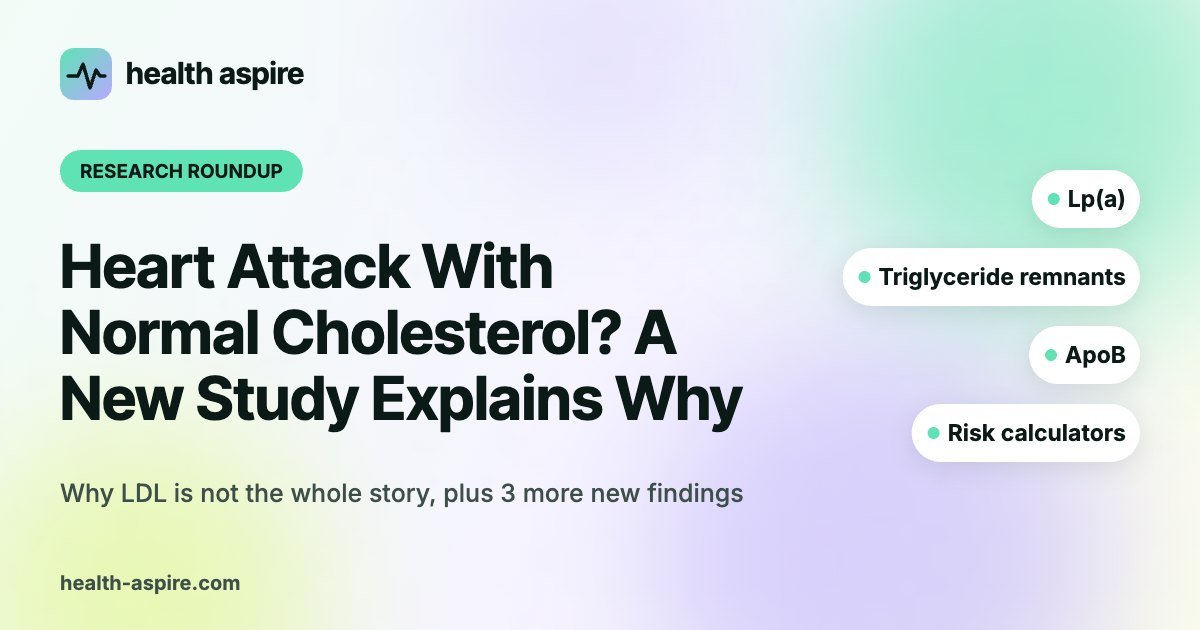
Can you have a heart attack with normal cholesterol? Yes, and it happens far more often than most people expect. When researchers looked at 136,905 Americans hospitalized for a heart attack, nearly 3 in 4 had LDL cholesterol inside the guideline targets of the time. Close to half had LDL under 100 mg/dL, the range labeled “optimal.”
So if your last lab report said everything looked fine and you still wonder about your heart, you are asking a fair question. A normal LDL number lowers your risk. It does not erase it.
A study published in the European Heart Journal adds a new piece to the puzzle. It suggests that two other kinds of fat-carrying particles in your blood, ones a standard cholesterol test barely captures, may damage arteries in a different way than LDL does.
What percentage of heart attacks happen with normal cholesterol?
In the largest US analysis, from the American Heart Association’s Get With The Guidelines registry, about 75% of people hospitalized for a heart attack had LDL within the targets used at the time, and nearly half had LDL below 100 mg/dL. Only 17.6% had LDL below 70 mg/dL, and fewer than 2% had both ideal LDL and ideal HDL.
The data came from 541 US hospitals between 2000 and 2006 (Sachdeva et al., American Heart Journal, 2009). Two details change how you should read it. First, “within target” was judged against the looser goals of that era. The 2026 ACC/AHA cholesterol guideline now sets LDL goals of under 70 mg/dL for people at intermediate risk and under 55 mg/dL for people at high risk, so many of those “normal” results would not count as fine today. Second, only 21% of the patients were taking cholesterol medicine before their heart attack, even though almost half already had a history of heart or blood vessel disease.
A smaller study tells a similar story. Among 1,062 people treated for the most severe type of heart attack in Minneapolis between 2011 and 2014, average cholesterol levels were unremarkable. Yet 79% would have qualified for a statin under the newer risk-based guidelines, compared with 39% under the older ones (Miedema et al., Journal of the American Heart Association, 2017). The lesson: “average” for Americans is not the same as “safe” for your arteries.
Why can you have a heart attack with normal cholesterol?
LDL cholesterol is one cause of artery plaque, not the only one. High blood pressure, smoking, diabetes, kidney disease, family history and inflammation all injure arteries. Your blood also carries other plaque-forming particles, mainly triglyceride-rich remnants and lipoprotein(a), that a routine LDL number does not measure.
Think of it like a leaky roof. LDL is the biggest hole, and patching it matters most. But water can still get in through smaller holes nobody checked. That is where the new study comes in.
What the new study found
The team, led by Jakub Morze and Clemens Wittenbecher at Chalmers University of Technology in Sweden, with partners at the University of Gothenburg, Harvard and other centers, analyzed blood samples from about 35,000 UK Biobank participants who had no heart disease when they joined. They measured almost 3,000 proteins in each sample and linked them with genetic data and long-term health records.
They focused on three types of particles that all carry a protein called apolipoprotein B (ApoB) and can lodge in artery walls:
- LDL, the particle behind the “bad cholesterol” number on your lab report.
- Triglyceride-rich lipoproteins (TRL), mostly VLDL made by the liver and the leftover remnants it turns into.
- Lipoprotein(a), usually written Lp(a), a particle whose level is largely set by your genes.
The protein pattern tied to LDL pointed mainly to cholesterol building up inside the artery wall. TRL and Lp(a) looked different. Their patterns overlapped heavily with each other and included proteins that attract immune cells, a sign these particles may stir up inflammation and change the structure of blood vessel walls. Those patterns were linked to heart disease that showed up years later.
Earlier research had already suggested that, particle for particle, TRL and Lp(a) are more harmful than LDL. This study offers a possible reason why: they seem to hit arteries through inflammation as well as cholesterol. The researchers were careful not to downplay LDL, though. “Lowering LDL cholesterol remains a cornerstone of prevention,” Wittenbecher said.
Can you have a heart attack with low LDL?
Yes, though it is less common. In the national registry above, 17.6% of heart attack patients had LDL below 70 mg/dL. Low LDL cuts risk a lot, but high Lp(a), high triglycerides, diabetes, smoking, high blood pressure or a strong family history can still drive plaque.
Lp(a) is the clearest example. You can eat well, exercise and have a textbook LDL while carrying a high Lp(a) you inherited. The 2026 cholesterol guideline recommends a one-time Lp(a) test for adults, and it notes that a level of 125 nmol/L raises heart disease risk by about 40%, while 250 nmol/L roughly doubles it.
Risk calculators can miss people too. In a Mount Sinai review of 474 people under 66 who had a first heart attack, 45% would not have been flagged for preventive treatment or further testing using the older 10-year risk score, and 61% would have been missed using the newer PREVENT equations. Many had little warning: 60% noticed symptoms less than two days before the attack (Mueller et al., JACC: Advances, 2025). That was a small, single health system study, but it shows why a “low risk” label is a starting point, not a guarantee.
What we don’t know yet
The Chalmers study maps protein patterns. It does not prove that TRL and Lp(a) cause heart attacks through these exact inflammatory pathways, it did not test any treatment, and it did not produce a blood test your doctor can order. UK Biobank volunteers are also mostly white Britons who tend to be healthier than the general population, so the findings need checking in other groups.
The registry data are from 2000 to 2006, and cholesterol was recorded for only 59% of the heart attack admissions. And whether lowering triglyceride-rich particles or Lp(a) on top of LDL prevents heart attacks is exactly what researchers want to find out next.
What to do with this
You can’t feel your Lp(a) or your triglyceride remnants, but you can find out where you stand. Practical steps:
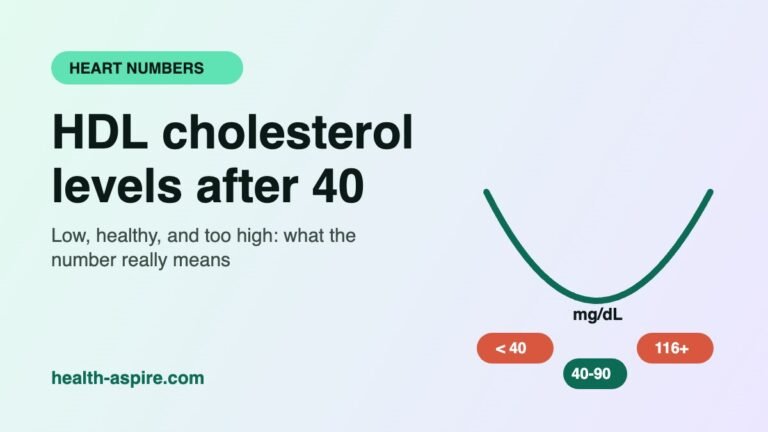
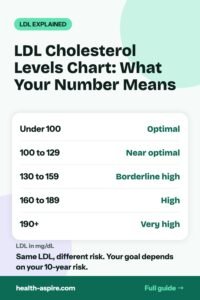
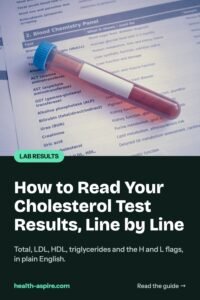
- Read the whole lipid panel, not just LDL. Triglycerides, HDL and non-HDL cholesterol carry information LDL misses. Our guide to LDL cholesterol levels explains the newer, lower goals.
- Ask about a one-time Lp(a) test, especially if a parent or sibling had heart disease young.
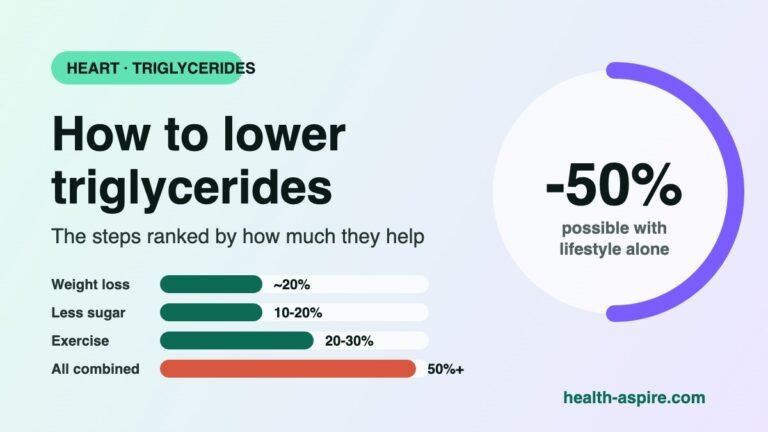
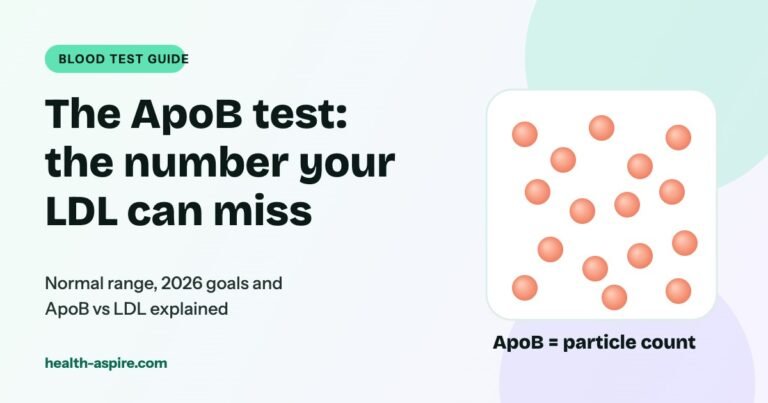
- If your triglycerides run high or you have diabetes or a large waist, ask whether an ApoB test makes sense, since it counts LDL, TRL and Lp(a) particles together. Here is how to lower triglycerides.
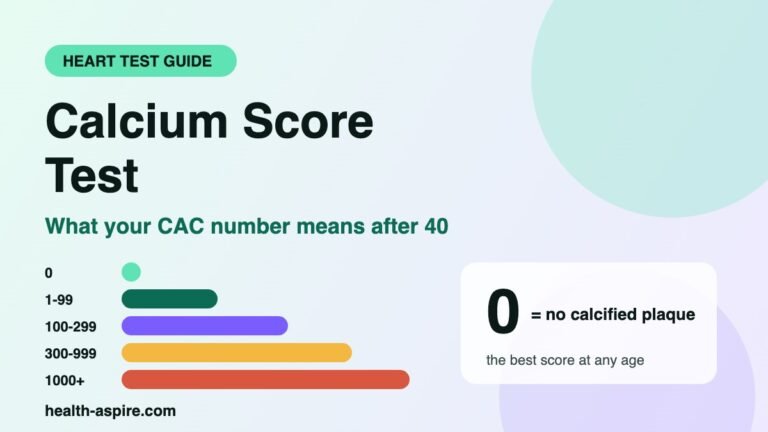
- Estimate your 10-year risk with our free heart attack risk calculator, built on the AHA PREVENT equations. If you land in the borderline or intermediate range, ask your doctor whether a calcium score test would help decide on treatment.
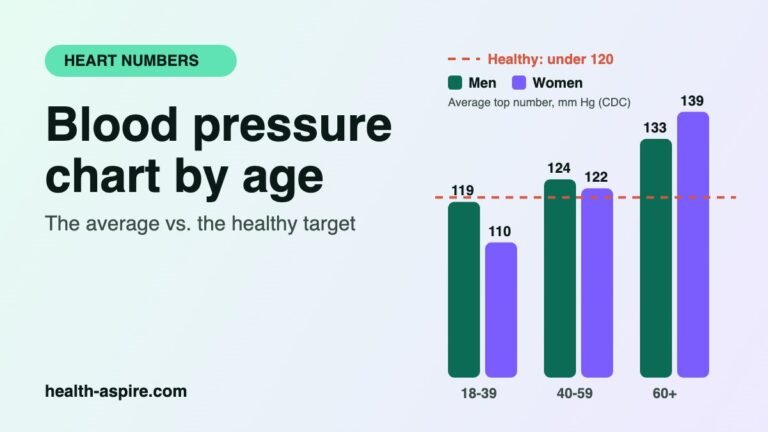
- Treat the other drivers just as seriously: blood pressure (see our blood pressure chart by age), blood sugar (see the A1C levels chart) and smoking.
- Know the warning signs, which are often subtle in women (heart attack symptoms in women). Chest pressure, shortness of breath, cold sweat or unusual fatigue that comes on suddenly means calling 911, whatever your cholesterol says.
For more guides like this, visit our heart health hub.
Also new this week
Even occasional cannabis use was linked to higher odds of stroke
In preliminary research presented at the American Heart Association’s Scientific Sessions 2026, a Tulane University team analyzed national survey answers from 442,906 US adults (average age 49) collected from 2020 to 2024. People who used cannabis 1 to 5 days a month had 40% higher odds of reporting a past stroke than non-users, and near-daily users had 25% higher odds, after accounting for tobacco, alcohol, diabetes and other factors. There was no clear link with heart attack. The study took a snapshot in time with self-reported answers, so it cannot show cause, and it has not yet been published in a journal.
Source: Tulane University School of Medicine, American Heart Association Scientific Sessions 2026 (preliminary abstract). Read the summary
Very low testosterone was linked to a higher risk of dying from cancer
Pooling data from more than 26,000 men in 11 long-running studies in Australia, the United States and Europe, researchers led from the University of Western Australia found that men in the lowest fifth of testosterone had an 18% higher risk of dying from cancer than men in the highest fifth. Risk started to rise below about 8.6 nmol/L (roughly 250 ng/dL). Testosterone itself was not linked to prostate cancer risk. This is an association, and there is no evidence that testosterone therapy lowers cancer risk, so the authors do not recommend it for that purpose. If you are over 50, our PSA levels by age chart covers prostate screening basics.
Source: Marriott R.J. et al., The Lancet Healthy Longevity, 2026. Read the study
A review asks whether many people eat more protein than they need
Researchers at the University of Wisconsin-Madison reviewed more than 350 studies on eating less protein. In flies and rodents, limiting protein extended lifespan, and several short human trials linked lower protein intake to weight loss, less body fat and better fasting blood sugar. The authors argue that many sedentary adults likely eat more protein than they need. They are clear that this does not prove lower protein extends human life, and that some older adults need more protein to keep muscle and function, especially when they strength train. Our protein calculator gives a range based on your age, weight and activity, and our strength hub covers the training side.
Source: Knopf B.A. and Lamming D.W., Cell Press Blue, 2026. Read the study
Sources
- Morze J. et al., European Heart Journal, 2026. Read the study · ScienceDaily summary
- Sachdeva A. et al., American Heart Journal, 2009. Read the study · UCLA Health summary
- Miedema M.D. et al., Journal of the American Heart Association, 2017. Read the study
- Mueller A.S. et al., JACC: Advances, 2025. Read the study · ScienceDaily summary
- Blumenthal R.S. et al., 2026 ACC/AHA Guideline on the Management of Dyslipidemia, JACC, 2026. Read the guideline · ScienceDaily summary
- Tulane University School of Medicine, American Heart Association Scientific Sessions 2026 (preliminary). ScienceDaily summary
- Marriott R.J. et al., The Lancet Healthy Longevity, 2026. Read the study · ScienceDaily summary
- Knopf B.A. and Lamming D.W., Cell Press Blue, 2026. Read the study · ScienceDaily summary
This article explains new research for education. It is not medical advice. Talk to your doctor before making changes to your treatment. See our medical disclaimer.
Free cheat sheet + weekly email
A short, honest health email. Every Thursday.
The week’s most useful research for life after 40, explained in plain English, plus one step picked for what matters to you. No spam, no selling your email, unsubscribe in one click.
Free gift: our 1-page Lab Markers Cheat Sheet (PDF), the 15 numbers on routine blood and urine tests that matter most after 40. It arrives as soon as you confirm your email.