Free Evidence-based Health after 40
Know your numbers after 40, starting with your heart.
Free calculators built on published medical guidelines, and plain-English guides to what moves each number. No sign-up, no ads, no miracle cures.
- Your age, sex, height and weight
- Blood pressure
- Total and HDL cholesterol
- Optional: kidney function (eGFR)
Built on the American Heart Association PREVENT equations, for adults 30 to 79. Your answers stay in your browser.

My father died of a heart attack at 45. Years later, a routine blood test showed my own cholesterol was high. I built Health Aspire so anyone can check their numbers for free, understand them and act early.
Georgi Pavlov, founder and editor · Read the story
Today in healthy aging
Updated October 26 BrainMediterranean diet may boost tiny proteins that protect the heart and brainScienceDaily · Oct 25
 BrainYour aging brain may be trading memory for something more valuableScienceDaily · Oct 20
 Strength5 great cardio workouts you can do at homeMedical Xpress · Oct 23
 SleepTriple-action weekly weight-loss drug reduces sleep apnea in two late-stage trialsMedical Xpress · Oct 24
Headlines from ScienceDaily and the National Institutes of Health. Links open the original source. This week’s research, explained →
Free tools. Your result on screen in minutes.
All tools →
Every result is shown on screen with the method behind it. A personal plan by email is optional.
Guides by topic



Latest guides
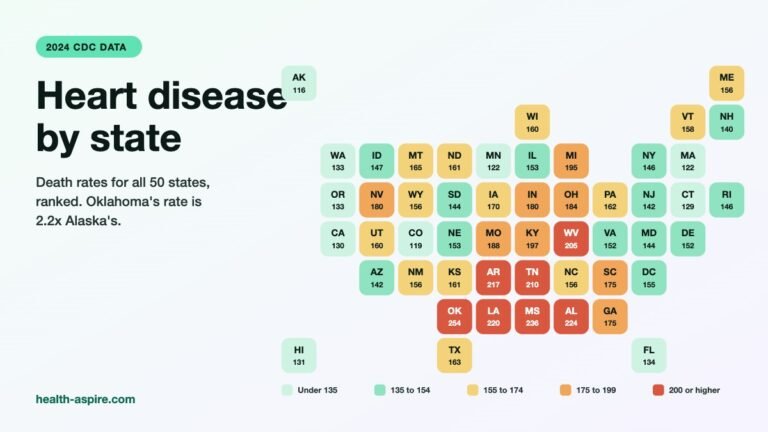
- Heart Disease by State: 2024 Death Rates Ranked, With Map

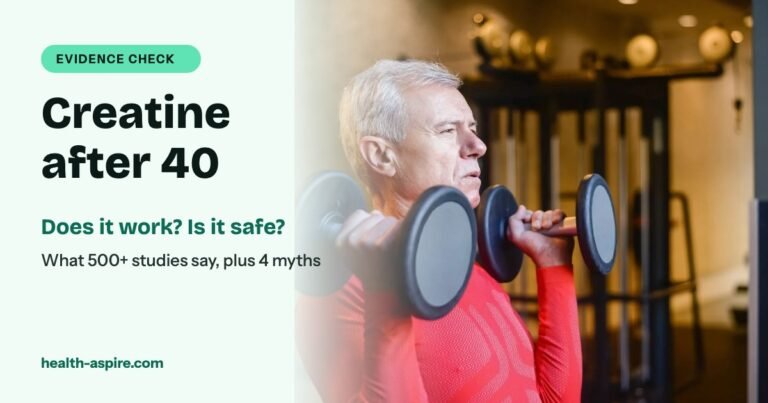
- Creatine After 40: Does It Work, Is It Safe, and 4 Myths That Hold People Back

- Is Eating Late at Night Bad for Your Liver? A 16-Year Answer
- Heart Attack Symptoms in Women Over 40, 50 and 60: Early Warning Signs
- ApoB Test: Normal Range, Goals and ApoB vs LDL Explained
- A1C Levels Chart: Normal, Prediabetes and Diabetes Ranges After 40

Free weekly email
A short, honest health email. Every Thursday.
The week’s most useful research for life after 40, explained in plain English, plus one step picked for what matters to you. No spam, no selling your email, unsubscribe in one click.
Health after 40: common questions
How do I check my heart attack risk?
Use a risk calculator built on current guidelines with numbers from a routine check-up: blood pressure, total and HDL cholesterol and, if you have it, kidney function. Our free heart attack risk calculator uses the American Heart Association PREVENT equations for adults aged 30 to 79 and takes about three minutes.
What matters most for health after 40?
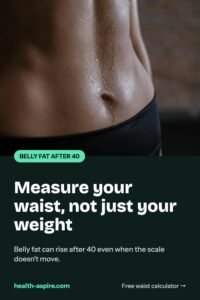
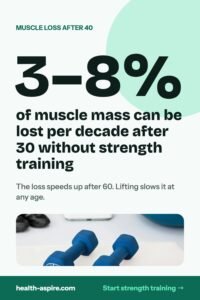
Two things do the most work: knowing your numbers (blood pressure, cholesterol, blood sugar and waist size) and staying strong. Muscle helps control blood sugar, protects your balance and keeps you independent. Two short strength sessions a week and daily walking are a strong start. See the heart health and strength guides.
Is it too late to improve your health after 40?
No. Blood pressure, cholesterol, blood sugar and fitness all respond to changes at any age, often within weeks to months. Adults who become active later in life still gain fitness and strength.
Do I need supplements after 40?
Most people do not need many. Creatine has good evidence when combined with strength training, and vitamin D or B12 help if a blood test shows you are low. Our supplements guide explains what large trials found and what you can skip.
How we work
Every guide is based on peer-reviewed research and official guidelines, links its sources and shows when it was last reviewed. Spot an error? We fix it.
Who is behind it
Health Aspire was founded by Georgi Pavlov, a parent whose father died of a heart attack at 45 and whose own routine blood tests showed high cholesterol. He is not a doctor. He built the site as a friendly first step for anyone who wants to understand their health and risks: every guide is based on official guidelines and research, with sources linked, and never replaces your doctor’s advice.
How we stay free
No paywall and no ads. Some pages may contain clearly labelled affiliate links. They never change what we recommend.