Statins After 70: Is It Safe to Stop? A New Trial Answers
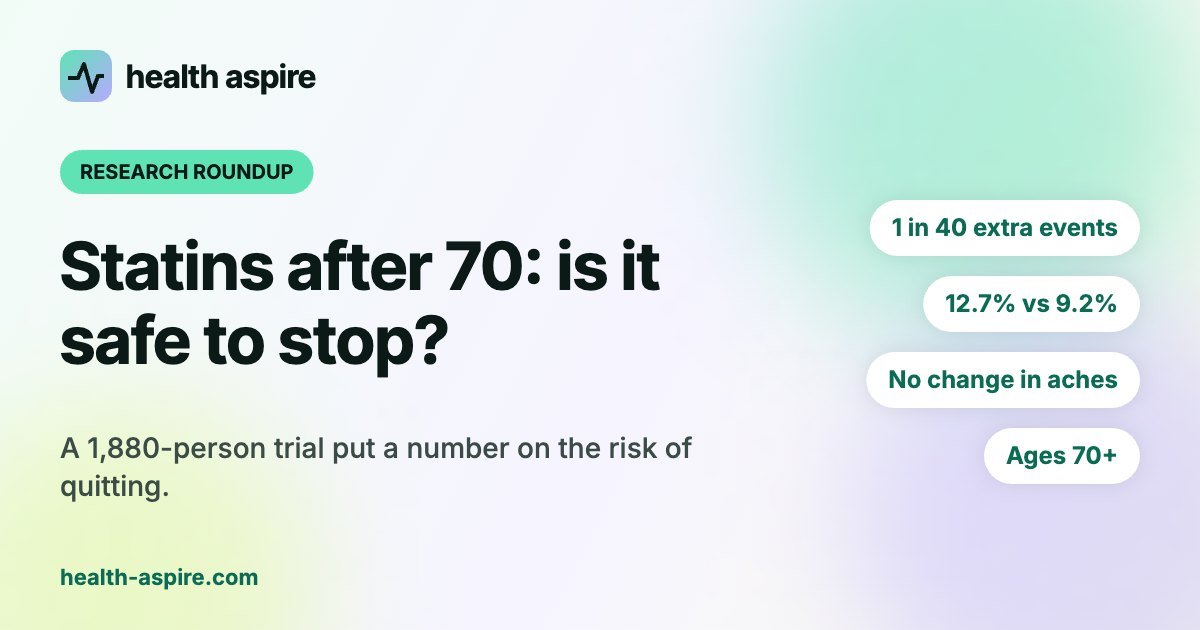
Should you keep taking statins after 70 if you have never had a heart attack or stroke? A large new trial gives the clearest answer yet: stopping is not dangerous in the short run, but it is not free either. Over about two years, roughly 1 extra person in every 40 who stopped had a heart attack, a stroke or died.
That is a smaller risk than many cardiologists would have guessed, and a bigger one than many people who want to cut down their pill count would like. It is also the first time a trial of this size has tested the question head on, by asking people to actually stop.
If you are in your 70s, or you help a parent manage a bag full of prescriptions, here is what the study did, what it found, and how to use it in a conversation with your doctor.
What the new statin trial actually tested
The trial is called STREAM. Researchers led by Nicolas Rodondi at the University of Bern recruited 1,880 adults aged 70 and over at 24 centers in Switzerland, France and the Netherlands. The results were presented at the American Heart Association’s Scientific Sessions in November 2026 and published at the same time in the New England Journal of Medicine.
Everyone was taking a statin for primary prevention, meaning to prevent a first heart attack or stroke, not a second one. They had taken it for at least a year, most for more than six. Each person also lived with at least two other chronic conditions, such as diabetes, cancer or lung disease. Half were randomly assigned to stop their cholesterol medicine and half to continue.
| What the STREAM trial looked at | What it found |
|---|---|
| Who was in it | 1,880 adults aged 70 and over (average age about 77), no heart attack or stroke, on a statin for prevention, at least 2 chronic conditions |
| What happened | Half stopped their statin, half kept taking it |
| About 2 years | Stopping was “noninferior”: about 2 fewer event-free weeks, inside the limit set in advance |
| In plain numbers | About 1 extra heart attack, stroke or death for every 40 people who stopped |
| Up to 4 years | 12.7% of people who stopped had a heart attack, stroke or death, vs 9.2% who kept going |
| Muscle pain, falls, quality of life | No difference between the groups |
Is it safe to stop statins after 70?
For most people in this trial, stopping statins after 70 did not cause a sudden wave of heart attacks. Over about two years, people who stopped averaged 96.5 event-free weeks and people who stayed on averaged 98.5. That two-week gap was small enough to count as “no worse” by the rules the researchers set in advance.
Translated into people, it works out to about one extra heart attack, stroke or death for every 40 people who stopped. The researchers also checked the things that often push people to quit, such as muscle aches, falls, muscle loss and overall quality of life. None of them improved after stopping.
That last point matters. Many people stop a statin hoping to feel better. In this group, on average, they did not.
What happens over the longer run?
The gap grew with time. With follow-up of up to four years, 12.7% of people who stopped had a heart attack, an ischemic stroke or died, compared with 9.2% of people who kept taking their statin. Heart attacks ran at 1.6% versus 0.6%, and ischemic strokes at 2.2% versus 0.8%.
Serious adverse events of any kind were also a bit more common after stopping, 43% versus 39.8%. In June 2026, after the trial ended, its independent safety board recommended that people in the stop group be told to talk with their doctor about restarting.
Rita Redberg of the University of California, San Francisco, one of the authors, said that because of this small increase in risk, no general recommendation to stop can be made for people like those in the trial. The decision, she said, belongs to the patient and the clinician together.
At what age should you stop statins?
There is no age at which everyone should stop statins. Age alone is not the deciding factor. What matters is why you take one, how well you tolerate it, how long you expect to benefit, and what you care about most. STREAM shows that stopping after 70 carries a small but real cost in heart attacks and strokes.
According to TCTMD’s report from the meeting, the 2026 US cholesterol guidelines leave room to discuss stopping in specific situations, such as a very short life expectancy, severe frailty or advanced dementia. Experts who reviewed the trial, including Karen Alexander of Duke, said deprescribing should be selective and that tolerated statins are reasonable to continue in older adults with several health conditions.
Earlier evidence pointed the same way in parts. A French trial, SAGA/SITE, found that stopping in people 75 and older did not raise the 3-year risk of death and did not improve quality of life either. A large US trial, PREVENTABLE, is now testing atorvastatin against placebo in about 20,000 adults aged 75 and over, which should help answer whether starting a statin late in life pays off.
What we don’t know yet
- STREAM included only people with at least two chronic conditions. Healthier 70-year-olds may face a different balance.
- Nobody in the trial had known heart disease. If you have had a heart attack, a stent or a stroke, these results do not apply to you.
- About 14% of participants ended up switching groups. Extra analyses did not change the conclusions, but it adds some noise.
- Four years is still a short window for a decision that may last a decade or more.
What to do with this
- Do not stop a statin on your own. If you want to discuss it, ask your doctor directly: “What is my risk if I stop, and what is it if I stay on?”
- Bring your numbers. Our heart attack risk calculator uses the AHA PREVENT equations and gives you a 10-year estimate to talk through.
- If muscle aches are the reason you want to quit, say so. Dose changes or a different statin are often options, and in STREAM stopping did not reduce aches on average.
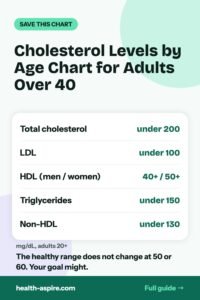
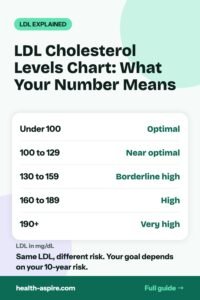
- Know your LDL. Our guide to LDL cholesterol levels explains the targets, and a coronary calcium score can sometimes help when the decision is a close call.
- Use our free Before Your Check-up tool to write down your questions so they do not get lost in a short appointment. For more on prevention, see our heart health hub.
Also new this week
Wine drinkers fared differently from beer and spirits drinkers
In 340,924 UK Biobank adults followed for more than 13 years, heavy drinkers had a 24% higher risk of dying from any cause than people who rarely drank. People who drank moderate amounts of wine had a 21% lower risk of dying from heart disease, while even light drinking of beer, cider or spirits was linked to a 9% higher risk. This is observational data with self-reported drinking measured once, presented at an American College of Cardiology meeting, so it cannot show that wine protects the heart. Our earlier look at whether 2 drinks a day is too much covers the bigger picture.
Source: Li Z., Chen Z. et al., American College of Cardiology Annual Scientific Session, 2026. ScienceDaily summary
Fast, stop-and-go sports moved bone markers the most
A Semmelweis University meta-analysis of 24 studies with 1,238 healthy adults found that recreational football and handball raised blood markers of new bone formation, especially osteocalcin, by up to about 46%. Walking, jogging and standard gym resistance workouts did not significantly change those markers. These are blood markers, not bone density or fractures, so this does not mean lifting is useless for your bones. It does suggest that adding some quick, multidirectional movement may help. Our strength training after 50 guide shows how to start safely.
Source: Barna V. et al., Sports Medicine – Open, 2026. Read the study
Diet plus exercise slowed aging clocks, most supplements did not
Yale researchers pooled 51 clinical studies that measured epigenetic aging clocks, which estimate biological age from chemical tags on DNA, before and after an intervention. Combining exercise with a healthy eating plan consistently lowered biological age estimates, and metformin and semaglutide showed some of the strongest effects. Over-the-counter supplements generally showed no measurable change. Whether a lower clock score means a longer or healthier life is still unknown.
Source: Sehgal R. et al., Nature Medicine, 2026. Read the study
Sources
- Rodondi N. et al., Discontinuing Statins in Older Adults without Cardiovascular Disease, New England Journal of Medicine, 2026. Read the study · ScienceDaily summary
- American Heart Association newsroom, Discontinuing statins generally safe for older adults without heart disease, 2026. Read the release
- TCTMD, Elderly patients on statins for primary prevention can stop, but it’s not risk free: STREAM, 2026. Read the report
- Healio, New study informs statin discontinuation in older adults without CVD, 2026. Read the report
- Blumenthal R.S. et al., 2026 ACC/AHA Guideline on the Management of Dyslipidemia, Circulation, 2026. Read the guideline
- Li Z., Chen Z. et al., Alcohol Use at Mid-Life and All-Cause and Cause-Specific Mortality, American College of Cardiology, 2026. ScienceDaily summary
- Barna V. et al., Sports Medicine – Open, 2026. Read the study · ScienceDaily summary
- Sehgal R. et al., Nature Medicine, 2026. Read the study · ScienceDaily summary
This article explains new research for education. It is not medical advice. Talk to your doctor before making changes to your treatment. See our medical disclaimer.
Free cheat sheet + weekly email
A short, honest health email. Every Thursday.
The week’s most useful research for life after 40, explained in plain English, plus one step picked for what matters to you. No spam, no selling your email, unsubscribe in one click.
Free gift: our 1-page Lab Markers Cheat Sheet (PDF), the 15 numbers on routine blood and urine tests that matter most after 40. It arrives as soon as you confirm your email.