Heart Attack Symptoms in Women Over 40, 50 and 60: Early Warning Signs
My father had a heart attack at 45, and we talk about it in my family as a man’s story. It is not. Heart disease is the No. 1 killer of women in the U.S., and women are more likely to brush off their own heart attack symptoms as reflux, the flu or just getting older. This guide shows what heart attack symptoms in women really look like after 40, 50 and 60, which warning signs can show up days or weeks earlier, and when to stop waiting and call for help.
Think it could be a heart attack? Call 911 now.
Do not drive yourself and do not wait to see if it passes. In Europe call 112. Every minute counts: fast treatment saves heart muscle.
The most common heart attack symptoms in women
Here is the part that surprises people: as with men, the most common heart attack symptom in women is chest pain or discomfort, according to the American Heart Association. The difference is that women are more likely to have the other symptoms too, sometimes instead of chest pain, and those are easier to explain away.
The chest symptom is not always “pain”. Women often describe it as pressure, tightness, squeezing, fullness or an ache, and it can sit in the lower chest or upper stomach. It may build slowly, ease off and come back.
Early heart attack symptoms in women: what can happen weeks before
In a study of 515 women who had a heart attack, most remembered new symptoms in the month before. Unusual fatigue was by far the most common. Sleep problems and shortness of breath came next. Only about 30% had chest discomfort in the weeks beforehand.
None of these symptoms on its own means a heart attack is coming: fatigue and poor sleep have many causes. But a new pattern that is out of character, especially with breathlessness on mild effort, deserves a call to your doctor this week, not next year.
Heart attack symptoms in women over 40, 50 and 60
The warning signs are the same at every age. What changes is your risk, and how easy it is to blame the symptoms on something else.
| Age | What changes | What symptoms get mistaken for |
|---|---|---|
| Over 40 | Risk is lower but rising, especially with smoking, diabetes, high blood pressure, high cholesterol or a family history | Stress, anxiety, a pulled muscle, heartburn |
| Over 50 | After menopause, LDL cholesterol and blood pressure tend to rise and risk climbs faster | Menopause symptoms such as sweats, palpitations and poor sleep |
| Over 60 | Risk is highest, and symptoms are more often atypical, especially with diabetes | Getting older, being out of shape, indigestion |
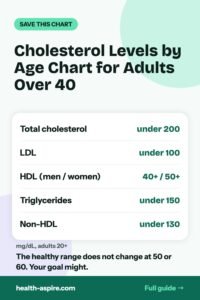
If you are over 50, menopause is a key turning point. Our guide to cholesterol levels by age shows how LDL typically shifts after menopause, and why checking your numbers in your late 40s and 50s pays off.
Why women ignore heart attack symptoms for too long
Women tend to arrive at the hospital later than men during a heart attack. The reasons are human and very common:
- The symptoms do not match the “Hollywood heart attack” of a man clutching his chest.
- Fatigue, nausea and back or jaw pain feel like something minor.
- Many women put family and work first and do not want to make a fuss.
- Some worry about being embarrassed if it turns out to be nothing.
Doctors would much rather see a false alarm than a heart attack that arrives hours late. If symptoms are sudden, severe or last more than a few minutes, call 911.
What to do right now if symptoms start
- Call 911 (112 in Europe). Paramedics can start treatment on the way and alert the hospital.
- Do not drive yourself and do not let someone drive you if an ambulance can come.
- Chew an aspirin only if the dispatcher tells you to and you are not allergic.
- Unlock the door and sit down while you wait.
Lower your risk before symptoms ever start
Most heart attacks in women are linked to factors you can measure and improve: blood pressure, cholesterol, blood sugar, weight, smoking and activity. Know your numbers:
- Check your 10-year heart attack risk with our free calculator, built on the AHA PREVENT equations.
- Ask for a full lipid panel, and consider an apoB test and a one-time Lp(a) test.
- Know your A1C: diabetes raises heart risk more in women than in men.
- Read our heart health after 40 hub for the full picture.
Heart attack symptoms in women: FAQ
What is the first sign of a heart attack in a woman?
There is no single first sign. Chest pressure or discomfort is still the most common symptom, but many women first notice unusual fatigue, shortness of breath, nausea, or pain in the jaw, neck, back or arm.
Can a woman have a heart attack without chest pain?
Yes. In the study of 515 women above, 43% had no chest pain during their heart attack. Shortness of breath, weakness, unusual fatigue, cold sweat and dizziness were common instead.
How long can heart attack symptoms in women last?
The acute symptoms usually last more than a few minutes, or go away and come back. Warning signs such as fatigue and poor sleep can appear days or weeks before. Any chest discomfort lasting more than a few minutes is an emergency.
Is it a heart attack or a panic attack?
They can feel similar, and even doctors need an ECG and blood tests to tell them apart. If you are not sure, treat it as a heart attack and call 911.
Sources
- American Heart Association. Heart Attack Symptoms in Women
- McSweeney J.C., et al. Women’s Early Warning Symptoms of Acute Myocardial Infarction (Circulation, 2003)
- Mehta L.S., et al. Acute Myocardial Infarction in Women: A Scientific Statement From the American Heart Association (Circulation, 2016)
This guide is for education and is not medical advice. If you think you are having a heart attack, call emergency services immediately. See our medical disclaimer.
Free weekly email
A short, honest health email. Every Thursday.
The week’s most useful research for life after 40, explained in plain English, plus one step picked for what matters to you. No spam, no selling your email, unsubscribe in one click.