

Metabolic Health After 40: Why It Matters for Longevity
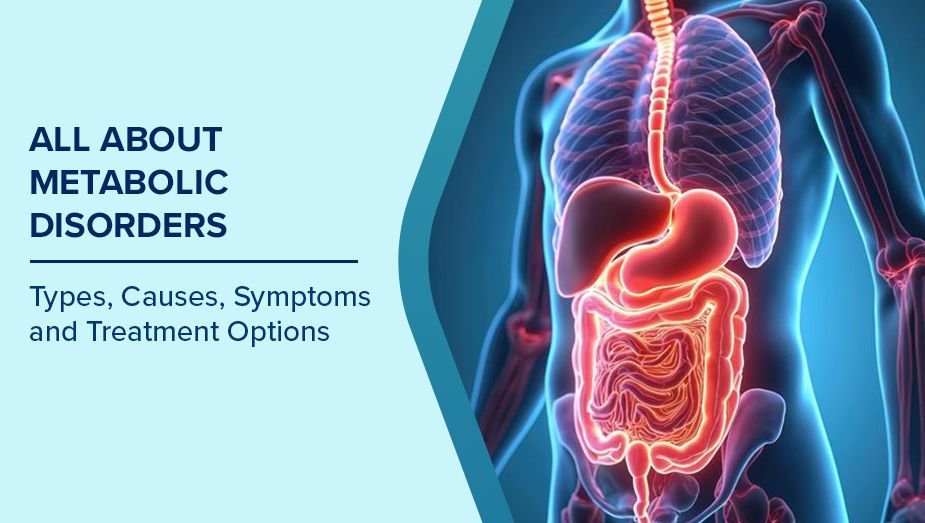
Metabolic health becomes more important with age, especially after 40, when insulin sensitivity, muscle mass, recovery, and hormonal balance often begin to decline. These changes do not happen overnight, but they can gradually increase the risk of weight gain, fatigue, inflammation, and long-term chronic disease.
If you want to improve longevity, metabolic health is one of the most practical places to start. It influences how efficiently your body regulates blood sugar, produces energy, preserves muscle, and responds to stress. In other words, it affects not just how long you live, but how well you live.
This guide explains how metabolic health affects longevity after 40, which warning signs matter most, which markers are worth paying attention to, and which daily habits have the strongest long-term payoff.
What Is Metabolic Health and Why Does It Matter More After 40?
Metabolic health refers to how well your body manages blood sugar, insulin, energy production, inflammation, blood lipids, and body composition. When these systems work well together, the body is more resilient, recovers better, and is less likely to drift toward disease over time.
After 40, metabolic health matters more because several protective systems begin to weaken. Muscle mass tends to decline, insulin sensitivity often drops, sleep quality may worsen, and recovery becomes slower. If lifestyle habits do not adapt, this creates the conditions for faster biological aging.
Two people can be the same age and look similar on the surface, yet have very different metabolic profiles. One may have stable blood sugar, strong muscle mass, low inflammation, and good energy. The other may have rising fasting glucose, visceral fat accumulation, poor sleep, and chronic fatigue. That gap is where metabolic health becomes a longevity issue.
Key facts:
- Metabolic health affects energy, inflammation, muscle preservation, and long-term disease risk.
- Poor metabolic health can exist even when body weight looks “normal.”
- After 40, small declines in sleep, movement, and insulin sensitivity can compound over time.
- Longevity is not only about lifespan. It is about preserving function, mobility, clarity, and independence.
Longevity is not about avoiding aging — it’s about aging better.
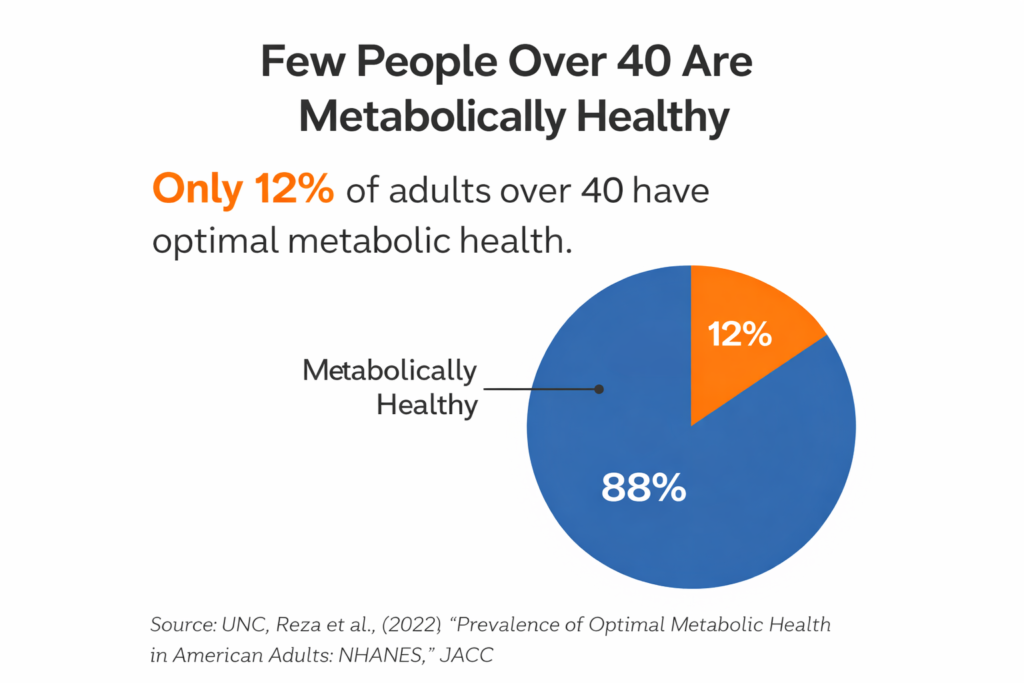
Why Metabolic Health Often Declines After 40
After 40, the body becomes less forgiving. Muscle mass can decline more quickly, insulin sensitivity may worsen, recovery takes longer, and chronic low-grade inflammation becomes more common. At the same time, stress, poor sleep, long work hours, and lower activity levels often become more frequent in real life.
This is why habits that once seemed “good enough” may stop working. Skipping strength training, eating inconsistently, sleeping poorly, and sitting too much may have a bigger metabolic cost than they did a decade earlier.
The goal is not restriction or perfection. The goal is adaptation. Longevity after 40 depends on giving the body the signals it now needs more consistently: movement, protein, sleep, recovery, and metabolic stability.
5 Metabolic Markers Worth Watching After 40
If you want to improve longevity, you need something more useful than vague wellness advice. You need markers that show whether your metabolism is moving in the right direction.
The most practical markers to monitor include:
- Fasting glucose
- HbA1c
- Triglycerides
- HDL cholesterol
- Waist circumference or signs of increasing visceral fat
These markers do not tell the whole story on their own, but together they can reveal whether your metabolic health is improving, stable, or drifting in the wrong direction. They are often more useful than body weight alone.
The Main Drivers of Metabolic Longevity
1. Insulin Sensitivity and Blood Sugar Control
Insulin sensitivity is one of the clearest links between metabolic health and longevity. When the body responds well to insulin, blood sugar remains more stable, energy is easier to regulate, and the long-term stress placed on the body is lower.
When insulin sensitivity starts to decline, the signs are often subtle at first. You may notice energy crashes after meals, rising abdominal fat, stronger cravings, worsening recovery, or increasing fasting glucose over time.
Improving insulin sensitivity supports metabolic flexibility, which is the ability to switch efficiently between fuel sources. This matters more after 40 because poor blood sugar regulation tends to amplify fatigue, inflammation, and long-term disease risk.
2. Muscle Mass Is a Metabolic Asset
Muscle does far more than support movement. It helps regulate glucose uptake, improves insulin sensitivity, supports metabolic rate, protects bone health, and increases physical resilience with age.
After 40, muscle preservation becomes a longevity priority. Losing muscle does not only affect appearance or strength. It can reduce metabolic stability, worsen recovery, and increase the likelihood of frailty later in life.
This is why resistance training and adequate protein intake are not optional side habits. They are core metabolic longevity strategies.
3. Chronic Inflammation Speeds Up Aging
Low-grade chronic inflammation, sometimes called inflammaging, places constant stress on the body. Over time, it can interfere with insulin sensitivity, recovery, cardiovascular health, and cellular function.
Common contributors include poor sleep, excess visceral fat, prolonged sitting, high intake of ultra-processed foods, and unmanaged stress. None of these are dramatic on their own, but together they can gradually shift the body toward metabolic dysfunction.
Reducing inflammation is not about chasing perfection. It is about lowering the total daily burden on the body so that repair, recovery, and metabolic efficiency can improve.
4. Mitochondrial Health Supports Energy and Recovery
Mitochondria help convert food and oxygen into usable cellular energy. When mitochondrial function declines, people often feel it as lower energy, slower recovery, reduced exercise tolerance, and weaker stress resilience.
This matters for longevity because energy production affects nearly every system that keeps the body functioning well with age. Healthy mitochondria are linked to better endurance, sharper cognition, and stronger metabolic function.
Sleep, movement, strength training, cardiovascular conditioning, and nutrient quality all influence mitochondrial health over time.
5. Sleep Helps Protect Metabolic Health
Sleep is one of the strongest metabolic recovery tools available, yet it is often treated like an afterthought. Chronic sleep disruption can worsen insulin resistance, increase cortisol, impair muscle recovery, and affect appetite regulation.
After 40, poor sleep becomes more expensive. The same nights of inconsistent sleep can have a bigger effect on energy, cravings, recovery, and inflammation than they did earlier in life.
If metabolic health is the foundation of longevity, sleep is one of the systems that helps hold that foundation together.
Metabolic Health Is Not the Same as Weight Loss
Weight loss alone does not guarantee better metabolic health. A person can lose weight while also losing muscle, sleeping poorly, under-eating protein, and worsening recovery.
That is why longevity-focused health is not just about the number on the scale. It is about improving the systems that support long-term function: glucose regulation, inflammation control, muscle preservation, energy production, and recovery.
This is also why some short-term “success” strategies fail over time. They may change body weight without improving the underlying biology that drives long-term health.
For a deeper look at how modern pharmacology fits into this conversation, see our analysis of the Ozempic weight loss revolution:
👉 https://health-aspire.com/blog/ozempic-weight-loss-revolution/
Signs Your Metabolic Health May Be Declining
Metabolic dysfunction does not always announce itself dramatically. In many cases, it develops slowly.
Common warning signs include:
- Energy crashes after meals
- Increasing belly fat
- Reduced muscle tone or strength
- Poor recovery from workouts
- More cravings and appetite swings
- Brain fog or reduced mental clarity
- Worsening sleep quality
- Rising fasting glucose over time
None of these signs confirm a diagnosis on their own, but together they often signal that your metabolism needs more support.
Nutrition for Longevity Starts With Stability, Not Extremes
Longevity nutrition is not about eating less at all costs. It is about supporting metabolic stability.
In practice, that usually means:
- Eating enough protein to preserve muscle
- Increasing fiber intake to support blood sugar and gut health
- Prioritizing nutrient-dense whole foods
- Reducing the metabolic stress of ultra-processed foods
- Building a pattern you can sustain consistently
Extreme dieting may produce short-term results, but long-term metabolic health usually responds better to stable habits than to aggressive restriction.
For a future-focused perspective, explore our guide on the Longevity Diet 2026:
👉 https://health-aspire.com/blog/longevity-diet-2026/
Movement Protects Metabolic Health as You Age
Exercise remains one of the strongest tools for protecting metabolic health after 40. But the goal is not random intensity. The goal is strategic movement that supports strength, insulin sensitivity, cardiovascular capacity, and recovery.
The most effective approach usually includes:
- Strength training to preserve muscle
- Walking and general daily movement
- Cardiovascular conditioning
- Mobility and recovery work
Consistency matters more than extremes. In the long run, the body responds better to repeatable training than to occasional bursts of overexertion.
Mental Health, Stress, and Longevity
Chronic stress accelerates aging at the cellular level.
Long-term stress:
- Raises inflammation
- Impairs insulin sensitivity
- Disrupts sleep
- Weakens immune function
Longevity includes psychological resilience — not just physical metrics.
What to Focus on First
If you want to improve metabolic health after 40, start with the habits that create the biggest return:
Daily priorities
- Walk after meals
- Prioritize sleep consistency
- Eat enough protein
- Reduce long periods of sitting
Weekly priorities
- Strength train 2 to 3 times
- Add cardiovascular conditioning
- Create intentional recovery time
Long-term priorities
- Monitor your metabolic markers
- Preserve muscle mass
- Build routines you can actually maintain
The goal is not to do everything at once. The goal is to improve the systems that compound over years.
Final Takeaway
If you care about longevity after 40, metabolic health is one of the most practical places to focus. It influences blood sugar control, inflammation, muscle preservation, energy production, and recovery — all of which shape how well you age.
You do not need a perfect routine. You need a repeatable one.
Start with the basics that have the biggest long-term payoff: strength training, sleep, protein, movement, and metabolic awareness. Then build from there.
References
References will be added and updated to support key claims related to metabolic health, insulin sensitivity, inflammation, muscle preservation, and longevity after 40.





I’d have to examine with you here. Which is not one thing I usually do! I take pleasure in reading a post that may make folks think. Additionally, thanks for permitting me to comment!
I like this blog so much, bookmarked.