
Nutrition & Metabolic Health
Evidence-based insights into how food affects metabolism, inflammation, hormones, and long-term health — helping you make smarter nutrition choices today that support vitality for decades.

What Is Nutrition?
Nutrition is not just about calories or dieting. It is the biological process through which food provides the body with energy, structural materials, and regulatory signals that influence metabolism, immunity, brain function, and aging.

Metabolic Health
Nutrition regulates blood sugar and insulin response. Food quality determines whether metabolism stays flexible or becomes impaired.

Inflammation
Dietary patterns strongly influence chronic inflammation. Certain foods amplify immune stress, while others help regulate inflammatory responses.

Hormones & Energy
Food supplies the raw materials for hormones and energy. Nutrition influences appetite control, stress response, and daily vitality.

Gut & Immune Function
Nutrition shapes the gut microbiome and immunity. Fiber and micronutrients support digestion, immune balance, and long-term resilience.
The Core Biological Systems Influenced by Nutrition
Nutrition does not affect health through a single pathway. Every dietary choice interacts with multiple biological systems that regulate metabolism, inflammation, hormonal signaling, digestion, and energy production. These systems operate together, not independently, and respond continuously to food quality, composition, and timing.
Research consistently shows that long-term dietary patterns influence these systems more than isolated nutrients or short-term interventions. When nutrition supports systemic balance, the body maintains metabolic stability, efficient cellular function, and adaptive resilience over time.
This page explores nutrition as a foundational biological input — not as a diet, but as a system-level regulator of human health. Understanding how food influences core physiological systems is essential for making informed, sustainable nutrition decisions.
Explore the Core Pillars of Nutrition

Weight Loss
Evidence-based nutrition strategies that support fat loss, metabolic balance, and sustainable weight management.

Recipes
Balanced, nutrient-dense recipes designed to support metabolism, energy levels, and overall health through real foods.

Supplements
Science-backed supplements that complement nutrition by addressing nutrient gaps and specific health goals.
Key Nutrition Signals of Metabolic Health
Nutrition influences health through measurable biological signals.
Below are key metabolic and physiological markers that reflect how dietary patterns impact long-term health and system balance.

Blood Sugar Regulation
Stable blood glucose and insulin sensitivity are central markers of metabolic health. Nutrition quality, carbohydrate intake, and meal timing directly influence energy regulation, inflammation, and long-term metabolic resilience.
Inflammation Control
Chronic low-grade inflammation is strongly influenced by dietary patterns. Whole foods, micronutrient sufficiency and gut health play a critical role in regulating inflammatory pathways and supporting integrity.

Circadian Rhythm
Circadian rhythm and recovery are strongly influenced by nutrition patterns. Meal timing, nutrient balance and energy intake play a critical role in hormonal regulation and overnight recovery processes.
Cognitive & Stress
Cognitive function and stress regulation are strongly influenced by diet quality. Nutrient balance, micronutrient availability and stable energy intake play a critical role in neurotransmitter regulation and mental resilience.
Explore Our Nutrition Research & Evidence-Based Guides
In-depth articles exploring how nutrition influences metabolism, inflammation, hormones, and long-term health through science-backed dietary strategies.
-
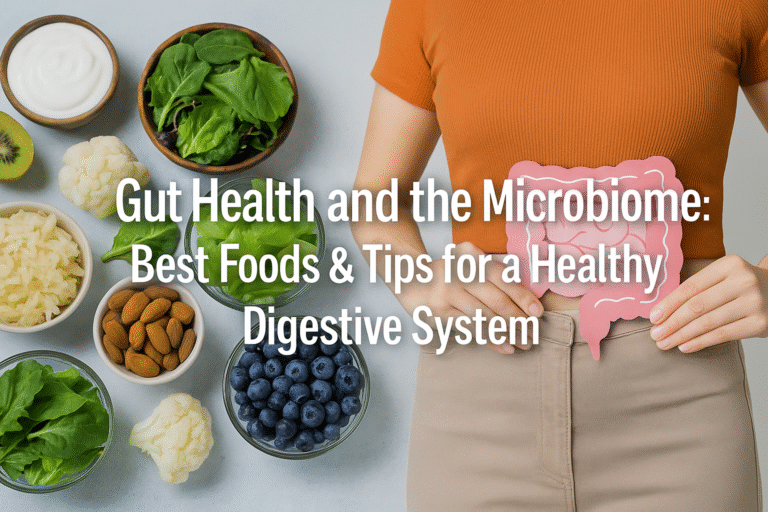
The Gut-Beauty Connection: How a Healthy Microbiome Shapes Your Health and Looks in 2025
Why Gut Health Is the New Frontier “Gut health” is no longer just a medical term—it’s a cultural movement. With the global probiotic market expected to reach $133 billion by 2030 (Grand View Research), it’s clear that people are waking…
-
The Ultimate Gut Health Checklist
Your gut isn’t just where digestion happens – it’s the command center of your immune system, your second brain, and a major driver of how you feel physically and emotionally. Gut health means taking care of your whole self. This…
-
How ChatGPT-5 Can Transform Your Health, Fitness, and Nutrition Journey
In recent years, Artificial Intelligence (AI) has evolved from a futuristic concept into a real-life tool that can help us in almost every aspect of our daily lives. With the release of ChatGPT-5, its capabilities go far beyond answering questions…


FAQ
Nutrition refers to the intake and utilization of nutrients that support energy production, cellular function, and system balance. Proper nutrition is essential for metabolic health, immune function, hormonal regulation, and long-term disease prevention.
Nutrition directly influences metabolic processes such as energy utilization, insulin sensitivity, and fat storage. Food quality, macronutrient balance, and meal timing determine whether metabolism remains flexible or shifts toward dysfunction.
Yes. Dietary patterns rich in whole foods, fiber, and micronutrients help regulate inflammatory pathways. Poor nutrition and ultra-processed foods are strongly associated with chronic low-grade inflammation and metabolic stress.
Nutrition shapes the gut microbiome, which affects digestion, immune regulation, and nutrient absorption. Fiber, plant diversity, and adequate micronutrient intake support a resilient and balanced gut ecosystem.
Supplements can support nutrition when specific nutrient gaps exist, but they do not replace whole foods. Evidence-based supplementation should be used strategically based on individual needs, diet quality, and health goals.
Long-term dietary patterns affect metabolic stability, immune resilience, cognitive function, and disease risk. Consistent, nutrient-dense nutrition supports healthy aging and sustained physiological balance over time.